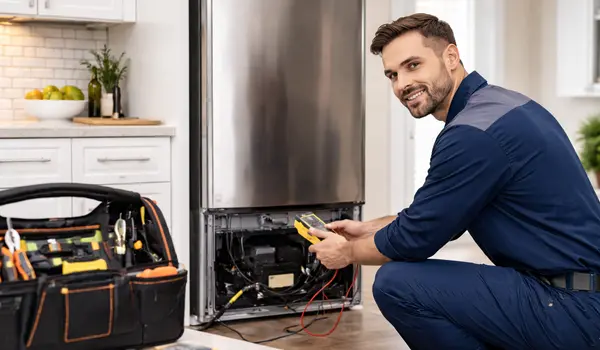
Business Name: APPLIANCE REPAIR OMAHA
Address: 2120 S 72nd St, Omaha, NE 68124
Phone: (531) 201-5281
Searching for Ice Maker Repair usually means the freezer is cold but the bin is empty, cubes are small, or water is leaking beneath the refrigerator. Appliance Repair Omaha can inspect the inlet valve, fill tube, and ice maker module before a slow drip damages flooring or a frozen tube stops production entirely. A few misshapen cubes can wait a day or two; pooling water, repeated error codes, or ice build-up around the fill cup should not.
A loud grinding during harvest, a tray that will not rotate, or a sheet of ice beneath the bin can point to different failures. The shutoff arm may be stuck, the water filter may be restricting flow, or the freezer temperature may be above the range needed for proper freezing. Shut off the ice maker or refrigerator water supply if water is actively leaking. Avoid chipping thick ice with a knife, since the plastic liner and refrigerant lines can be punctured.
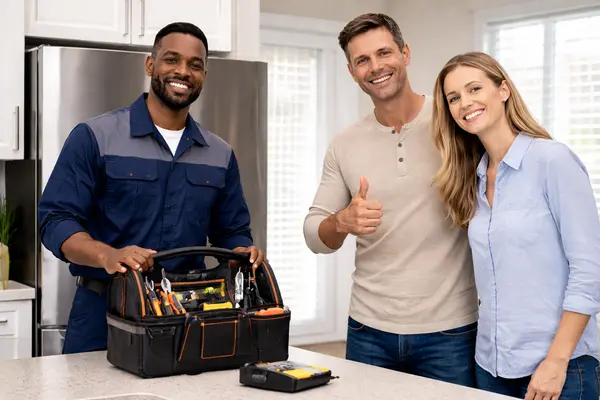
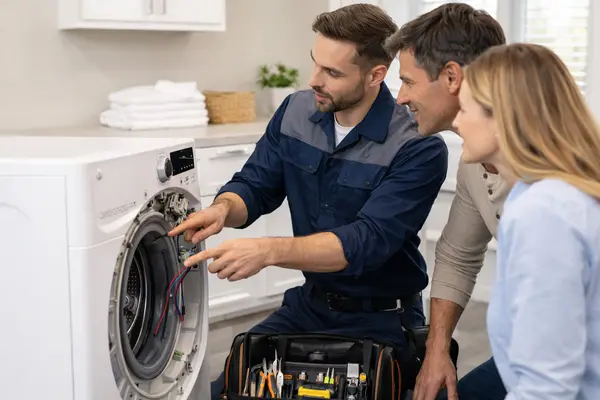
The repair path depends on the refrigerator already in place and what has happened before the visit. A recently changed water filter, a manually thawed fill tube, or a reset control panel can narrow the diagnosis, but may also hide an intermittent problem. Technicians check the freezer temperature, water pressure, wire harness, mold heater, and inlet valve. Gas Grill Repair may be a separate household need, but an ice maker requires its own electrical and water-flow testing.
Some problems are limited to a blocked fill tube that can be thawed and traced to its cause. Others reveal a cracked mold, failing control board, or weak door gasket allowing warm air into the freezer. Replacing one valve is generally less involved than removing a built-in refrigerator or accessing a module behind a tight cabinet surround. A same-visit repair is possible when the failed component is available; uncommon modules or control boards can extend the timeline.
Cost changes with access, the refrigerator design, and the number of components needed after testing. Clearing a frozen fill tube or adjusting a shutoff arm is a smaller scope than replacing an inlet valve, ice maker assembly, or electronic control board. Parts can account for roughly one-quarter to more than half of the total work, while a built-in unit may require extra removal time. Stand Mixer Repair involves different components, but similarly depends on diagnosis before replacing parts.
A written estimate should separate diagnostic work, labor time, the specific part number, consumables such as tubing or fittings, and any return visit required after parts arrive. Compare the scope, not merely the final total: one estimate may cover a valve only, while another includes a module and water-line inspection. A straightforward repair may involve one component and one visit; a layered issue can require two or three tested components, especially after a leak or recurring ice build-up.
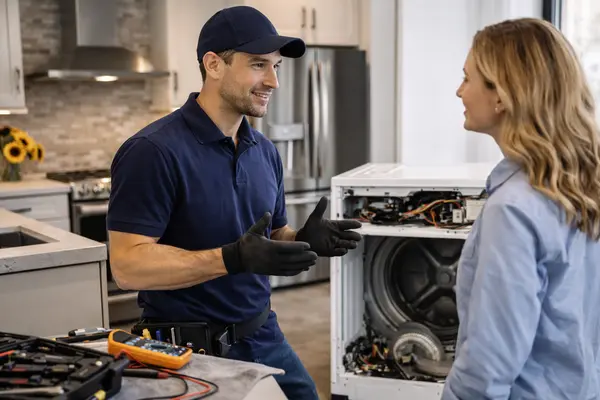
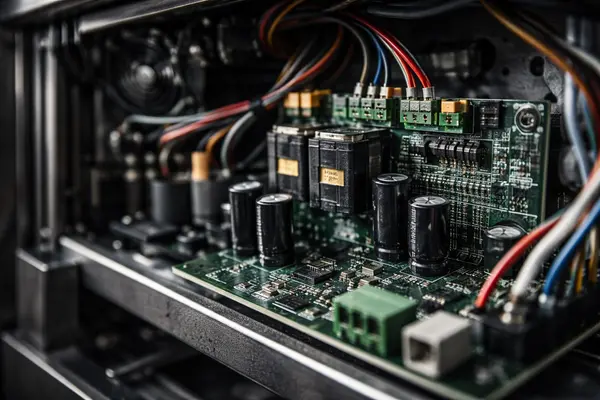
Most Ice Maker Repair visits take about 1 to 3 hours for testing, access, and installation when the needed part is on hand. The homeowner may hear the technician cycle the harvest motor, check voltage with a meter, or run water into the mold. After repair, the freezer still needs time to freeze new cubes; the first usable batch may take several hours, and a full bin can take 12 to 24 hours depending on freezer temperature and usage.
Delays usually come from locating an uncommon module, thawing heavy ice around a fill tube, or confirming whether a water-pressure issue starts at the refrigerator or the household supply line. During the quiet stretches, the technician may be monitoring a fill cycle, allowing the mold thermostat to respond, or checking for slow drips at a compression fitting. Keeping the freezer door closed helps the evaporator maintain temperature while the ice maker resumes normal production.
APPLIANCE REPAIR OMAHA
2120 S 72nd St, Omaha, NE 68124
(531) 201-5281
Hours of Operation
Open 24 Hours